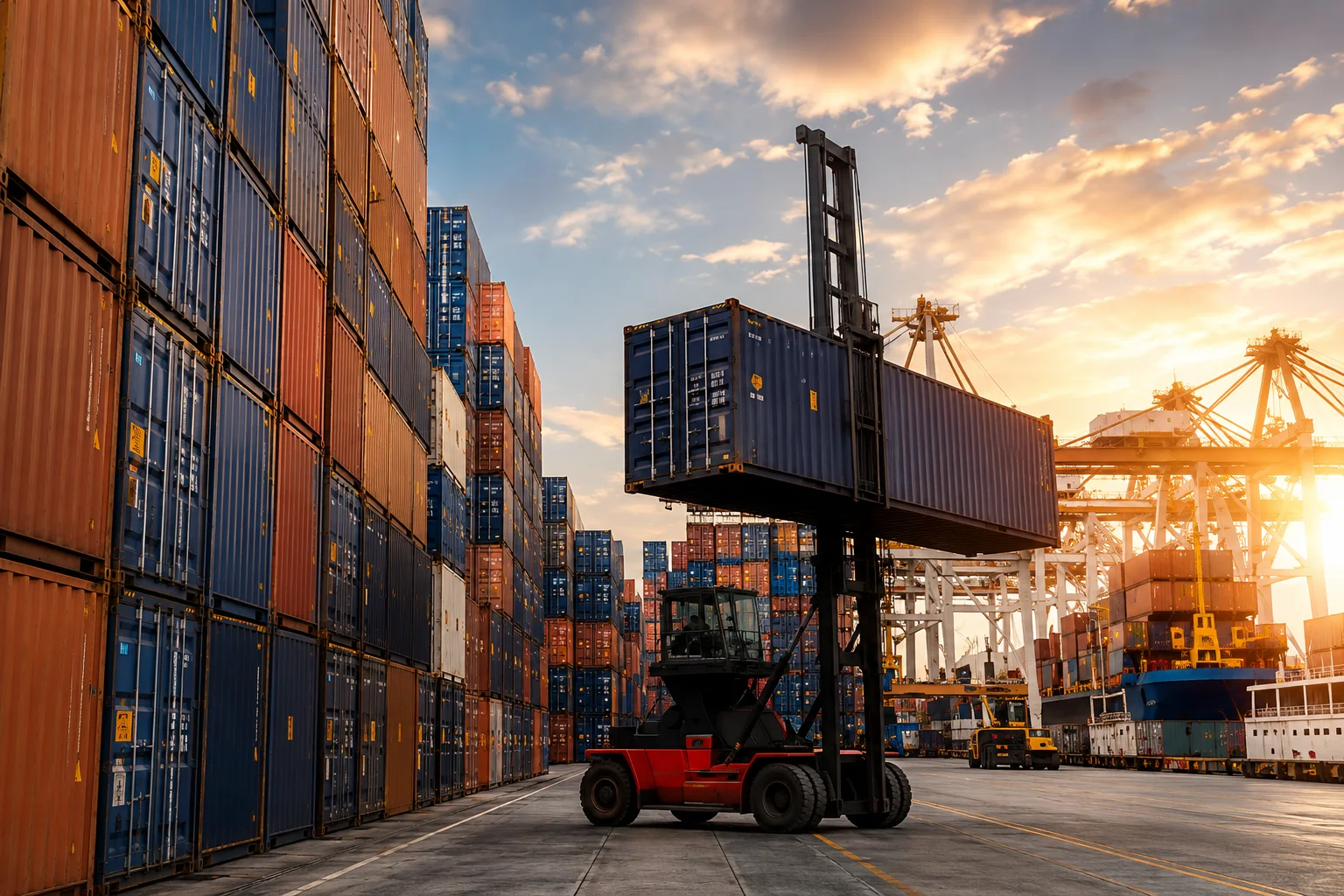
International trade has become one of the most important growth opportunities for businesses. Whether you're exporting manufactured products, agricultural goods or industrial materials, understanding the complete export process helps reduce risks while maximizing global business opportunities.
Understanding The Export Process
Successful international trade begins with proper planning. Businesses must evaluate product demand, identify suitable overseas markets, comply with regulations and establish reliable logistics partners before exporting goods internationally.
Having a structured export strategy minimizes delays, ensures compliance and creates long-term business relationships across global markets.
"Successful global trade isn't just about selling products—it's about building trust through quality, compliance and consistent delivery."
Essential Steps Before Exporting
Before shipping products internationally, businesses should evaluate multiple operational factors that influence successful global trade.
- Product market research
- International buyer verification
- Export documentation
- Quality inspection
- Logistics planning
- Customs compliance
Choosing Reliable Trade Partners
Selecting verified suppliers and dependable logistics providers significantly reduces operational risks. Partnering with experienced international trading companies simplifies sourcing, documentation and shipment management.
Businesses should always evaluate supplier credibility, manufacturing capability, certifications and quality management processes before establishing long-term partnerships.